Radiation is a natural and man-made phenomenon that exists all around us, but some places on Earth have radiation levels so extreme they pose significant risks to human health. Understanding the world’s most radioactive places helps raise awareness about radiation safety and environmental impact. This post covers key extreme radiation zones, their history, why they are dangerous, and what you need to know if you’re curious about radiation hotspots.
What Are Radioactive Places?
Radioactive places are areas with elevated levels of ionizing radiation from natural sources like uranium deposits or man-made events such as nuclear accidents and weapons testing. Radiation exposure can lead to severe health problems, making awareness and caution vital for residents, tourists, and researchers.
Top 7 Most Radioactive Places on Earth
| Place | Location | Radiation Level | Cause/History | Current Status |
|---|---|---|---|---|
| Chernobyl Exclusion Zone | Ukraine | Up to 200 μSv/hr | 1986 Nuclear Disaster | Restricted, limited tourism |
| Fukushima Daiichi | Japan | Variable, hotspots remain | 2011 Nuclear Meltdown | Ongoing cleanup, restricted zones |
| Hanford Site | USA (Washington State) | Elevated due to nuclear waste | Cold War nuclear production | Restricted, cleanup in progress |
| Semipalatinsk Test Site | Kazakhstan | High due to nuclear tests | Soviet nuclear weapons testing | Mostly closed, contaminated zones |
| Mayak Production Facility | Russia | Extremely high | Nuclear waste dumping and accidents | Restricted, hazardous |
| Guarapari Beach | Brazil | Naturally high background | Monazite-rich sand | Open to tourists, safety measures |
| Ramsar | Iran | High natural radiation | Natural hot springs and minerals | Residential area, monitored |
Nuclear Accidents: Meltdowns release dangerous isotopes like cesium-137 and iodine-131.
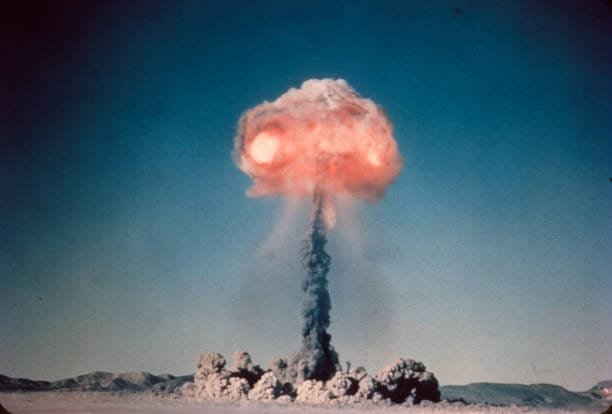
Nuclear Weapons Testing: Bomb detonations disperse radioactive fallout.
Natural Radioactive Minerals: Some regions have naturally occurring uranium and thorium deposits.
Improper Nuclear Waste Disposal: Past mishandling led to contamination.
Health Risks of Exposure to Radioactive Places
Prolonged or high-level radiation exposure can cause:
Radiation sickness
Increased cancer risk
Genetic mutations
Organ failure
Radiation safety guidelines recommend minimizing time spent in these areas and using protective gear if access is necessary.
Can You Visit These Places?
Chernobyl: Guided tours are available with strict safety rules.
Fukushima: Some zones reopened with controlled access.
Guarapari Beach: Safe for visitors due to low-level natural radiation.
Others: Generally restricted or off-limits for public access.
Always check official sources before planning a visit.
Radiation Measurement: Understanding the Units
Sievert (Sv): Measures health effect of ionizing radiation.
Microsievert (μSv): One millionth of a sievert; common for environmental levels.
Millisievert (mSv): One-thousandth of a sievert; used in medical doses.
Typical background radiation worldwide is about 2.4 mSv per year.
How to Protect Yourself from Radiation Exposure
Limit time in high-radiation areas.
Maintain distance from sources.
Use shielding (lead barriers, concrete).
Follow government safety guidelines.
Stay informed via trusted agencies like the IAEA and WHO.
FAQ
Q1: What is the most radioactive place on Earth?
A: The Chernobyl Exclusion Zone is considered one of the most radioactive due to the 1986 nuclear disaster.
Q2: Is it safe to visit Chernobyl?
A: Yes, but only via guided tours with strict safety protocols.
Q3: Can natural radiation be harmful?
A: Typically no, natural background radiation is low and safe, but extremely high natural levels (like in Ramsar, Iran) require monitoring.
Q4: How does radiation affect human health?
A: High doses damage cells and DNA, causing sickness and cancer risk.
Q5: Are there radioactive places near me?
A: Many places have low background radiation; extreme zones are rare and well-known.
Trusted Resources
Conclusion
Knowing about the world’s most radioactive places helps protect ourselves and understand environmental challenges caused by radiation. Whether from nuclear accidents or natural sources, these zones remind us of the importance of safety, scientific monitoring, and responsible handling of radioactive materials. Stay informed, stay safe, and respect these extreme radiation zones.