What Does a Radiologist Do? A Complete Guide (2025)

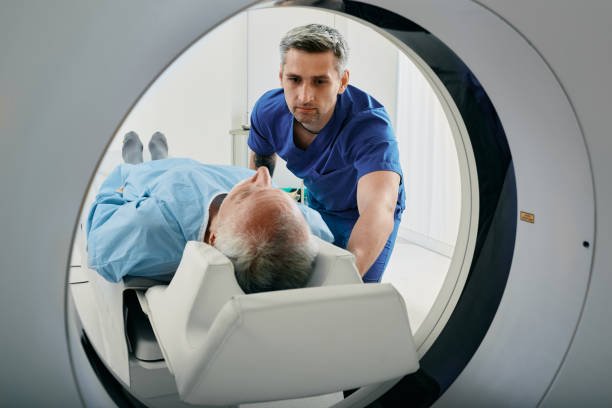
If you’ve ever had an X-ray, CT scan, or MRI, a radiologist was involved in your care—even if you never met them directly. Many people wonder: what does a radiologist really do, and why are they so important in healthcare?

Who Is a Radiologist?
A radiologist is a medical doctor who specializes in using medical images to diagnose and sometimes treat diseases.
They are different from the technician who operates the machines. While the technician takes the scan, the radiologist is the one who studies the images carefully, connects the findings with your symptoms, and advises your doctor on what comes next.
Think of them as the detectives of medicine, solving health problems through images.
Radiologist vs. Technician vs. Interventional Radiologist
| Role | What They Do | Training |
|---|---|---|
| Radiologist | Doctor who studies medical images (X-rays, CT, MRI, ultrasound) to diagnose and guide treatment. | Medical school (4 yrs) + residency (4–5 yrs) + possible fellowship. |
| Radiology Technician | Operates imaging machines and helps patients during the scan. | 2–4 years specialized training (not medical school). |
| Interventional Radiologist | Radiologist who also performs image-guided procedures like biopsies or stent placements. | Medical school + residency + fellowship in interventional radiology. |
What Does a Radiologist Do Every Day?
Here’s a look at their main responsibilities:
- Reading images – X-rays, CT scans, MRIs, ultrasounds, and mammograms.
- Finding problems – Detecting fractures, infections, tumors, or bleeding.
- Guiding treatments – Helping with biopsies, stent placements, or fluid drainage using imaging.
- Working with doctors – Preparing reports and advising other specialists.
- Checking progress – Monitoring if treatments like chemotherapy or surgery are working.
Types of Radiologists
Radiology has different branches. Some common ones include:
- Diagnostic Radiology – General image interpretation for many conditions.
- Interventional Radiology – Performing minimally invasive procedures with imaging guidance.
- Neuroradiology – Specializing in the brain, spine, and nervous system.
- Pediatric Radiology – Focusing on imaging for children.
- Oncologic Radiology – Concentrating on cancer diagnosis and treatment.
Training to Become a Radiologist
Radiologists complete long and detailed training:
- A bachelor’s degree (usually in science or pre-med).
- Medical school (4 years).
- Residency in radiology (4–5 years).
- Optional fellowship (1–2 years in a specific field).
This path ensures they can safely and accurately interpret complex scans.
When Do You Need a Radiologist?
You may not meet a radiologist face-to-face, but their work is crucial whenever imaging is needed. Common reasons include:
- Broken bones after an accident.
- Chest pain to check for pneumonia or heart problems.
- Cancer diagnosis and monitoring with CT or PET scans.
- Pregnancy ultrasounds to track baby growth.
- Stroke detection using brain scans.
Why Radiologists Matter
Radiologists are essential because they:
- Detect health issues early, sometimes before symptoms appear.
- Provide guidance for surgeons and other doctors.
- Reduce unnecessary surgeries by giving clear imaging answers.
Without them, modern healthcare would lose one of its most important tools.
Quick FAQ
Do radiologists do surgery?
Not usually, but interventional radiologists perform small procedures guided by imaging.
Is a radiologist a real doctor?
Yes, radiologists are fully trained medical doctors.
Will I meet my radiologist?
Most times, no. They work behind the scenes, but their report goes directly to your physician.
Are radiologists in demand?
Yes, especially with the rise of cancer care, neurology, and emergency medicine.
Final Thoughts
Radiologists are the hidden heroes of healthcare. From spotting broken bones to guiding cancer treatment, their role ensures patients get accurate diagnoses and the right care.