
Many women notice changes in their body during their menstrual cycle, especially around their period. One of the most common questions is: “Do you gain weight on your period?” If you’ve ever felt heavier or bloated before or during your period, you’re not alone.
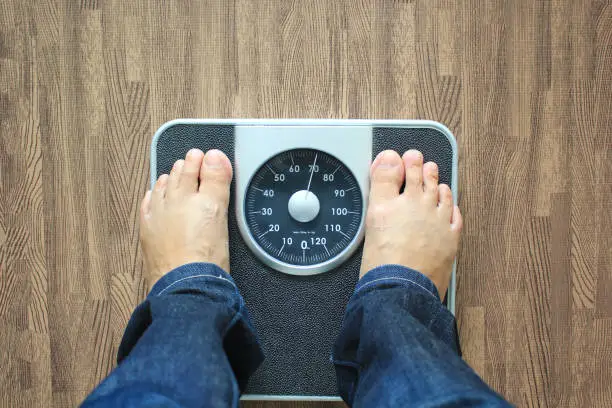
Do You Actually Gain Weight During Your Period?
Yes, it’s common to gain a small amount of weight (usually 1–5 pounds) before or during your period. This is usually temporary and caused by hormonal changes, water retention, and other factors. Once your period ends, the weight often goes away naturally.
Why Do You Gain Weight on Your Period?
Water Retention (Bloating)
- Hormones like estrogen and progesterone cause your body to hold more water and salt.
- This makes you feel bloated and heavier, even though it’s not fat gain.
Hormonal Changes
- Fluctuating hormones can increase cravings, appetite, and slow down digestion.
- This may cause overeating or constipation, which can add temporary weight.
Cravings and Extra Eating
- Many people crave salty, sweet, or high-carb foods before their period.
- Eating more calories than usual may add to the temporary weight gain.
Digestive Changes
- Hormones can affect digestion, leading to constipation or slower bowel movements.
- This can make your stomach feel fuller and heavier.
Lack of Energy
- Tiredness and cramps during periods may reduce physical activity.
- Less movement means fewer calories burned, which can contribute to weight changes.
How Long Does Period Weight Gain Last?
Period-related weight gain usually lasts a few days before your period and up to 2–3 days during. Most people notice their body returning to normal weight after their period ends.
Is Period Weight Gain Permanent?
No. This type of weight gain is not permanent fat gain. It’s mainly water retention and digestive changes. Once hormones balance out, your body sheds the extra weight naturally.
How to Reduce Weight Gain During Your Period
- Drink plenty of water → Helps reduce bloating and flush out excess salt.
- Limit salty and processed foods → Too much sodium increases water retention.
- Eat balanced meals → Focus on fruits, vegetables, lean proteins, and whole grains.
- Stay active → Light exercise like walking, stretching, or yoga helps reduce bloating.
- Avoid too much caffeine or alcohol → These can make bloating worse.
- Get enough sleep → Poor sleep can increase cravings and hormone imbalance.
When Should You Be Concerned?
If you notice rapid weight gain of more than 5–7 pounds, or if your symptoms are very severe every month, it may be a sign of PMS (Premenstrual Syndrome) or PMDD (Premenstrual Dysphoric Disorder). In such cases, it’s best to talk to your doctor.
People Also Ask
1. Why do I gain 5 pounds during my period?
It’s usually due to water retention and bloating, not fat. The weight usually goes away after your cycle.
2. Do you lose weight after your period ends?
Yes, most people lose the extra water weight once hormones stabilize.
3. Is it normal to feel bloated during periods?
Yes, bloating is very common due to hormonal changes and water retention.
4. Can exercise help with period bloating?
Yes, light exercise can reduce bloating and improve mood.
5. Should I diet during my period to avoid weight gain?
Strict dieting is not needed. Instead, eat balanced meals and stay hydrated.
Final Thoughts
Weight gain during your period is normal and temporary. Most of it is water retention, bloating, and hormonal changes. Once your cycle ends, your weight usually returns to normal. Staying hydrated, eating well, and keeping active can help you feel more comfortable.