
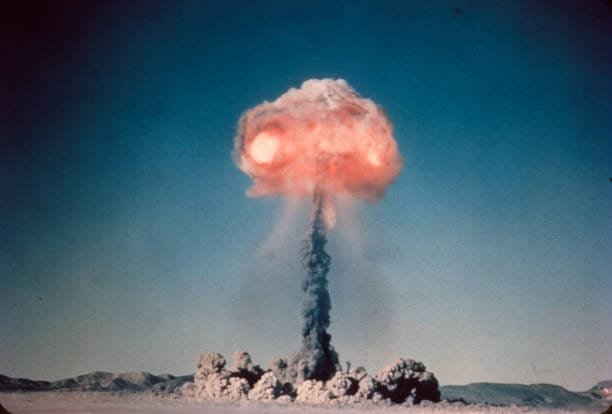
Who Was Hisashi Ouchi?
Hisashi Ouchi was a Japanese technician working at the Tokaimura nuclear facility in Japan. On September 30, 1999, he became the victim of one of the most severe radiation accidents in human history.
He was one of three workers exposed during the JCO nuclear accident, and his injuries became widely known due to the extreme nature of the radiation exposure.
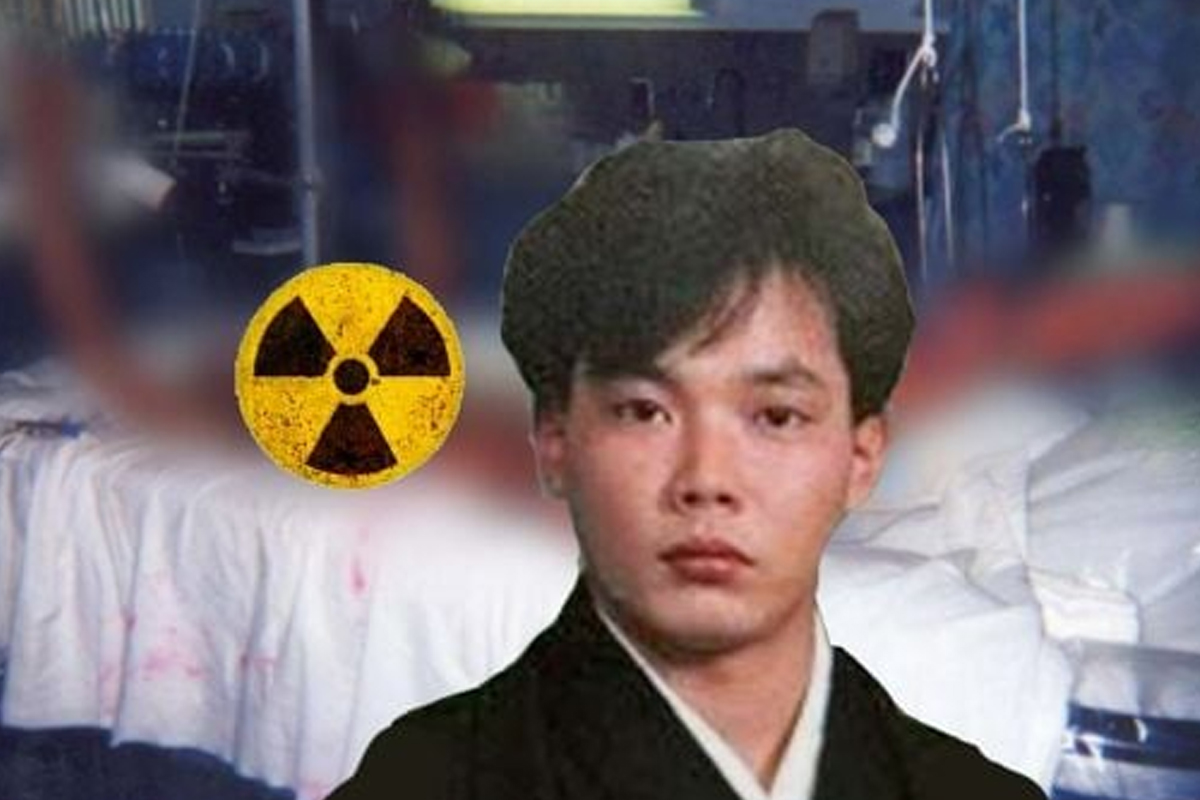
What Happened to Hisashi Ouchi?
Ouchi was exposed to an estimated 17 Sieverts (Sv) of radiation—far beyond the fatal dose of 8 Sv. The accident occurred when a team was preparing fuel for a fast breeder reactor and manually added uranyl nitrate solution to a precipitation tank, triggering a nuclear chain reaction.
The radiation instantly destroyed Ouchi’s DNA and immune system.
Hisashi Ouchi’s Injuries and Radiation Burns
His injuries were catastrophic:
Severe radiation burns covering most of his body
Loss of chromosomes—his DNA was practically obliterated
Constant bleeding due to bone marrow failure
Skin sloughing off due to internal organ failure
Doctors described his condition as the most extreme case of radiation exposure in a human being.
Chromosomal Damage: Hisashi Ouchi’s Genetic Collapse
After exposure, medical tests showed that Ouchi’s chromosomes were shattered. Without functioning chromosomes, his body could no longer regenerate cells.
Doctors stated that his cell division had essentially stopped, making healing impossible. This made his body unable to recover even from basic tissue damage.
Why Was Hisashi Ouchi Kept Alive?
Despite his condition, Ouchi was kept alive for 83 days using:
Skin grafts
Blood transfusions
Stem cell transplants
Painkillers and antibiotics
The Japanese medical team attempted heroic interventions, both to save his life and for medical research. However, this led to ethical controversy about prolonging suffering.
Did Hisashi Ouchi Die?
Yes. After nearly 3 months of extreme medical procedures and suffering, Hisashi Ouchi died on December 21, 1999, from multiple organ failure due to radiation exposure.
Legacy of the Tokaimura Nuclear Accident
The Tokaimura incident led to:
Tighter nuclear regulations in Japan
Global criticism of Japan’s nuclear safety protocols
A lasting memory of the dangers of radiation and the human cost of nuclear mistakes
Hisashi Ouchi’s story remains a grim but essential lesson in radiation safety and medical ethics.
FAQs
Q1: Is the story of Hisashi Ouchi real?
Yes, it is a documented historical event supported by medical reports and government investigations.
Q2: How much radiation did Hisashi Ouchi receive?
An estimated 17 Sieverts—more than double the known fatal dose.
Q3: Why was Hisashi Ouchi kept alive for so long?
Doctors attempted experimental treatments and stem cell therapy, though the decision was highly controversial.
Q4: Did Hisashi Ouchi lose his chromosomes?
Yes. His DNA was destroyed, rendering cell regeneration impossible.
Q5: What were Hisashi Ouchi’s final symptoms?
Extreme burns, bleeding, organ failure, and lack of immune response. He was in intense pain for weeks.
Conclusion
Hisashi Ouchi’s case is one of the most disturbing examples of radiation injury in modern history. His story is not only about tragedy but also about the limits of medical science, ethics, and the importance of nuclear safety.
For those researching nuclear disasters or medical ethics, this case serves as a powerful reminder of the consequences of human error in high-risk environments.