

Hearing the word “ovarian cyst” can make many women feel worried. But here’s the truth: ovarian cysts are very common. In fact, most women will have at least one ovarian cyst in their lifetime, and many won’t even know it.
How Common Are Ovarian Cysts?
- Around 8 in 10 women of reproductive age will develop an ovarian cyst at some point.
- Most cysts are harmless and go away on their own within a few months.
- They are most common during the years between puberty and menopause.
- After menopause, ovarian cysts are less common, but when they do appear, doctors check them more carefully since the risk of cancer is slightly higher.
In short: ovarian cysts are a normal part of the menstrual cycle for many women.
What Is an Ovarian Cyst?
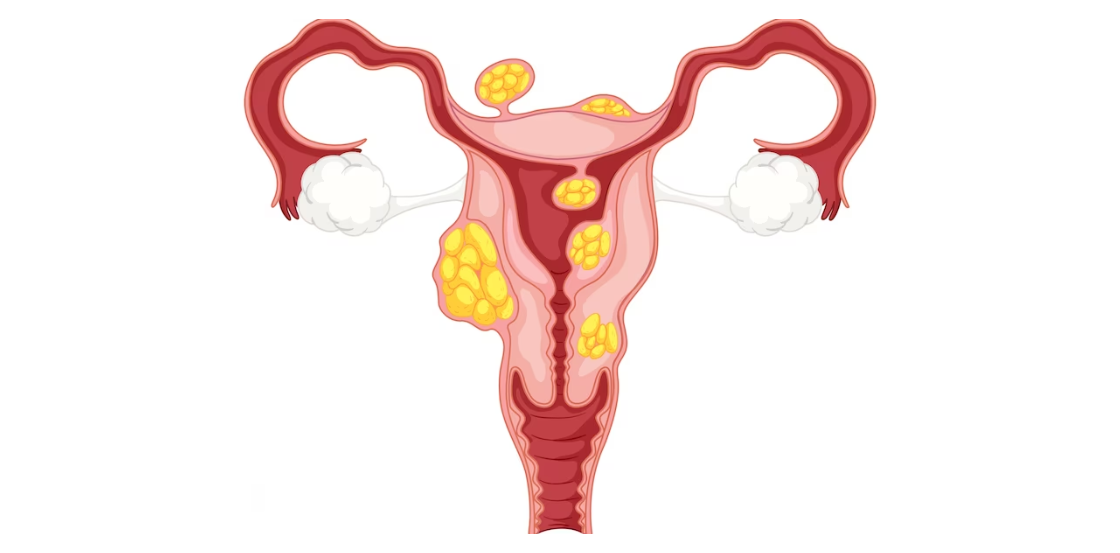
An ovarian cyst is a fluid-filled sac that develops on or inside an ovary. There are different types:
- Functional cysts (most common, related to ovulation)
- Dermoid cysts (made of tissue, like skin or hair)
- Cystadenomas (develop from the ovary’s surface)
- Endometriomas (linked to endometriosis)
Most cysts are benign (not cancerous).
Ovarian Cyst Symptoms (Detailed Table)
Some cysts cause no symptoms at all. But when symptoms do appear, they may look like this:
| Symptom | How It Feels | When to See a Doctor |
|---|---|---|
| Pelvic pain | Dull or sharp ache in the lower belly, often on one side | If pain is sudden, severe, or doesn’t go away |
| Bloating or swelling | Feeling full or pressure in the abdomen | If bloating lasts for weeks or worsens |
| Pain during sex | Discomfort or sharp pain during intercourse | If pain happens often or feels strong |
| Menstrual changes | Irregular periods, heavier or lighter bleeding | If cycles change suddenly or become very irregular |
| Frequent urination | Feeling the need to pee often | If it continues and disrupts daily life |
| Trouble emptying bladder or bowel | Pressure on pelvic organs | If constipation or urinary issues are ongoing |
| Lower back pain | Dull ache in the back or thighs | If pain is severe or chronic |
| Nausea or vomiting | May happen with larger cysts or rupture | If vomiting is sudden with strong pain |
| Fever | Sign of infection with a cyst | Seek immediate medical help |
| Sudden sharp pain + dizziness | Possible ruptured cyst or ovarian torsion | Emergency — go to ER immediately |
When to Worry About an Ovarian Cyst
Most ovarian cysts go away on their own. But seek medical help if you experience:
- Sudden, severe pelvic pain
- Pain with fever or vomiting
- Rapid breathing, dizziness, or weakness
These can be signs of a ruptured cyst or twisted ovary (torsion), which require urgent treatment.
Common Questions About Ovarian Cysts
1. Are ovarian cysts dangerous?
Most are harmless. But some can cause complications like rupture, torsion, or rarely, cancer.
2. Can ovarian cysts affect fertility?
Functional cysts usually do not. But conditions like endometriosis related cysts may affect fertility.
3. Do ovarian cysts always need surgery?
No. Many cysts disappear on their own. Surgery is only needed if a cyst is very large, painful, or looks suspicious.
4. Can birth control pills help with ovarian cysts?
Yes, they may prevent new cysts from forming by stopping ovulation.
5. Can ovarian cysts come back after treatment?
Yes, new cysts may develop even after removal, especially before menopause.
Final Thoughts
Ovarian cysts are very common and most are not harmful. Many women never even notice them. However, knowing the symptoms helps you catch problems early and avoid complications.
If you ever have sudden pain, fever, or vomiting, don’t wait — see a doctor right away. For regular checkups, an ultrasound is the best way to monitor ovarian health.