
What Does DEI Mean?
DEI stands for Diversity, Equity, and Inclusion. It refers to strategies and policies designed to create fair, respectful, and inclusive environments—especially in workplaces, schools, governments, and communities.
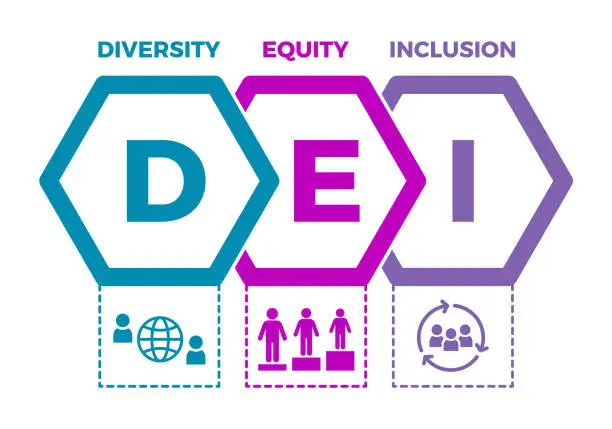
Breakdown of the Acronym:
Diversity: Representation of different people (race, gender, age, religion, etc.)
Equity: Ensuring fair treatment, access, and opportunity for all
Inclusion: Creating environments where all individuals feel valued and integrated
DEI Meaning in School
In schools, DEI initiatives promote:
Diverse representation in teaching staff and curriculum
Equal learning opportunities for students from all backgrounds
Inclusive classrooms for students with disabilities, different identities, or languages
Example: Schools offering ESL (English as Second Language) classes or adaptive learning for neurodivergent students.
DEI Meaning in Business
In the workplace, DEI means:
Hiring people from diverse backgrounds
Fair pay, promotions, and access to leadership
A company culture that supports mental health, cultural holidays, and anti-discrimination
Why it matters: Studies show diverse teams are more innovative and profitable.
DEI Meaning in Government & Politics
In Government:
DEI ensures public policies serve all citizens fairly. This includes:
Accessible government services
Anti-discrimination laws
Language access for non-English speakers
In Politics:
DEI can be both supported and criticized. Some argue it’s essential for civil rights, while others feel it’s a form of political overreach or reverse discrimination.
DEI Meaning in the Bible
The term “DEI” is not used in the Bible directly, but its principles exist:
Diversity: All are made in the image of God (Genesis 1:27)
Equity: Justice for the poor and oppressed (Proverbs 31:8-9)
Inclusion: Welcoming strangers and treating others as yourself (Leviticus 19:34)
Some Christian communities support DEI as a moral imperative, while others are cautious about its political implications.
Why Are People So Mad About DEI?
DEI has become a culture war issue in some places.
Critics argue:
It creates quotas instead of merit-based decisions
It may prioritize race or gender over qualifications
It adds bureaucracy to institutions
Supporters argue:
DEI corrects systemic inequality
It improves outcomes in education, business, and government
It protects marginalized communities
DEI Meaning in Politics (In Detail)
DEI is politically charged in 2025. In the U.S. and other countries, it’s often part of:
University hiring practices
Police reform discussions
Public funding conditions
Political platforms from both progressive and conservative sides
Conservatives may view DEI programs as divisive or unnecessary.
Progressives see them as essential to fairness and justice.
Examples of DEI in Action
| Sector | DEI Example |
|---|---|
| School | Diverse curriculum including Black history or LGBTQ topics |
| Business | Diversity hiring goals and sensitivity training |
| Government | Language translation services for official documents |
| Religion | Church welcoming LGBTQ members or different cultures |
Dei in Latin means “of God”, as in the phrase Agnus Dei (“Lamb of God”). It is unrelated to modern DEI, but this causes some confusion online. Example:
Imago Dei = Image of God
Dei Gratia = By the grace of God
FAQ
What is DEI and why is it important?
DEI stands for Diversity, Equity, and Inclusion. It helps create fair and inclusive spaces in school, work, and society.
Why is DEI controversial?
Some believe it promotes fairness, others see it as political or a form of reverse discrimination.
How does DEI impact education?
It ensures all students, regardless of background, have equal opportunities to learn and succeed.
Is DEI religious or political?
It’s a social concept. While rooted in ethical values (and sometimes aligned with religious values), it’s often politicized.
What does “Dei” mean in Latin?
“Dei” in Latin means “of God” and is not related to Diversity, Equity, and Inclusion.
Final Thoughts
DEI is more than a buzzword—it’s a framework for building fair, respectful, and inclusive communities. Whether you’re a student, business owner, policymaker, or just a curious citizen, understanding DEI is key to navigating today’s social landscape.