
Building a pond is one of those projects that sounds simple but can get complicated fast. Whether you want a pond for fishing, watering livestock, or just to enjoy the peaceful view, the biggest question is — how much does it really cost to build a 1-acre pond?
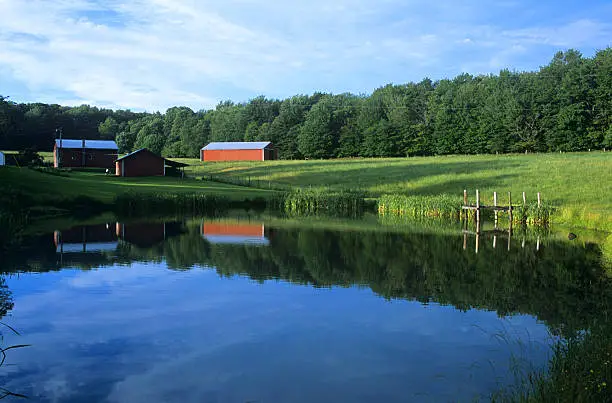
Average Cost to Build a 1-Acre Pond
On average, building a 1-acre pond costs between $10,000 and $75,000.
The price depends on how deep it is, what kind of soil you have, what it’s used for, and how much work needs to be done.
| Pond Type | Average Cost Range | Details |
|---|---|---|
| Basic Farm or Livestock Pond | $10,000 – $25,000 | Simple pond for watering animals or basic use |
| Fishing or Recreational Pond | $25,000 – $50,000 | Deeper pond with aeration, fish, and better design |
| Decorative or Landscape Pond | $50,000 – $75,000+ | Includes lining, landscaping, and water features |
What Affects the Cost
Every pond is different, but these are the main things that determine your total cost:
1. Land Clearing and Digging
- Excavation is usually the most expensive part.
- If your land is rocky or uneven, expect higher labor and fuel costs.
- Typical price: $1.50–$4.00 per cubic yard of dirt.
2. Soil Type
If your soil doesn’t hold water well, you’ll need:
- A clay liner (around $2,000–$6,000), or
- A synthetic liner (can cost $10,000–$20,000)
3. Pond Depth
A deeper pond holds more water and supports more fish.
Most 1 acre ponds are 8–12 feet deep.
4. Water Source
Ponds can be filled by:
- Natural springs
- Rainwater runoff
- Well water (extra cost if pumped)
5. Aeration and Filtration
Keeps water healthy and prevents algae buildup.
- Cost: $1,000–$3,000.
6. Permits
Depending on where you live, you might need a local or environmental permit.
- Cost: $500–$3,000.
7. Fish and Habitat
If you want a fishing pond, you’ll also need:
- Fish (bass, bluegill, catfish, etc.) – around $1,000–$2,000
- Structures like rocks or logs – $500–$1,500
Example Cost Breakdown for a 1-Acre Fishing Pond
| Category | Estimated Cost | Details |
|---|---|---|
| Land clearing & excavation | $15,000 – $25,000 | Depends on soil and equipment |
| Liner (optional) | $10,000 – $15,000 | Helps retain water |
| Aeration & filtration | $1,500 – $3,000 | Keeps pond clean |
| Fish & habitat | $1,000 – $2,000 | For fishing ponds |
| Permits & inspection | $500 – $2,000 | Local requirements |
| Landscaping | $2,000 – $5,000 | Adds natural look |
Total: $30,000 – $50,000 for a complete 1-acre pond setup.
How to Save Money
- Pick a natural low spot so you don’t need as much digging.
- Use your own soil to build berms instead of hauling extra dirt.
- Do the landscaping yourself with local plants.
- Get a few quotes before hiring a contractor — prices can vary a lot.
Common Mistakes to Avoid
- Building where water doesn’t drain properly.
- Skipping a soil test — it’s crucial for water retention.
- Ignoring local permits or environmental laws.
- Not planning for long-term maintenance.
FAQs
1. How long does it take to build a 1-acre pond?
Usually about 2 to 6 weeks, depending on weather and soil type.
2. Do I need a permit?
In most areas, yes — especially if you’re diverting natural water flow.
3. How deep should it be?
Around 8 to 10 feet is ideal for most ponds.
4. Can I fill it with well water?
Yes, but it might take several weeks depending on your pump size.
5. Can I add fish right away?
Wait at least 4–6 weeks after filling the pond.
6. Does it need maintenance?
Yes — remove debris, check for leaks, and manage algae every year.
7. Will a pond increase my property value?
Definitely. A well-built pond can boost your land value by 5–15%.
8. Can I build it myself?
You can, but hiring a pro ensures better water retention and grading.
9. How much does maintenance cost each year?
Usually between $500 and $1,500, depending on pond size.
10. What’s the best pond size for fishing?
A 1–2 acre pond with at least 10–12 feet of depth works best.
Final Thoughts
A 1-acre pond can be a great addition to your property — peaceful to look at, useful for fish or livestock, and a fun project to complete.
While the cost can vary a lot, planning ahead and understanding what affects the price will help you stay on budget and enjoy your pond for years to come.