
Why Blood Type Matters
Your blood type is more than just a letter and sign. It plays a vital role in:
Emergency transfusions
Organ transplants
Pregnancy compatibility
Disease resistance
There are 8 main blood types based on the ABO and Rh systems.
Blood Group Chart (ABO + Rh Factor)
| Blood Type | Antigens on RBCs | Antibodies in Plasma | Can Donate To | Can Receive From | % Worldwide |
|---|---|---|---|---|---|
| O- | None | Anti-A & Anti-B | All blood types (universal donor) | O- only | ~6.6% |
| O+ | Rh | Anti-A & Anti-B | O+, A+, B+, AB+ | O+, O- | ~37.4% |
| A- | A | Anti-B | A-, A+, AB-, AB+ | A-, O- | ~6.3% |
| A+ | A, Rh | Anti-B | A+, AB+ | A+, A-, O+, O- | ~27.0% |
| B- | B | Anti-A | B-, B+, AB-, AB+ | B-, O- | ~1.5% |
| B+ | B, Rh | Anti-A | B+, AB+ | B+, B-, O+, O- | ~8.5% |
| AB- | A & B | None | AB-, AB+ | AB-, A-, B-, O- | ~0.6% |
| AB+ | A, B, Rh | None (universal recipient) | AB+ only | All blood types | ~3.4% |
O Positive (O+) – Most common globally (~37%). Universal plasma donor.
A Positive (A+) – Widely found in Europe and North America.
B Positive (B+) – Common in Asia and parts of Africa.
These blood types are in high demand at blood banks due to high population match.
What Are the 3 Rarest Blood Types?
AB Negative (AB−) – Rarest of all, <1% of the global population.
B Negative (B−) – Rare in Europe, common in parts of Asia.
A Negative (A−) – Less than 7% globally.
Rare types make it harder to find compatible donors during emergencies.
Is Blood Type O Positive Rare?
No, O+ is the most common blood type worldwide. However, O Negative is rare (~6.6%) and extremely valuable as the universal donor – usable in emergencies when blood type is unknown.
What Blood Type Is Considered the Healthiest?
There’s no universally “healthiest” blood type, but some research suggests:
O types may have lower risk of heart disease and cancer.
AB and B types might have higher risk for blood clots and memory issues.
Type A may be more vulnerable to stress-related illness.
Fun Fact: People with O blood often have better immunity against malaria and other diseases.
How Is Blood Type Determined?
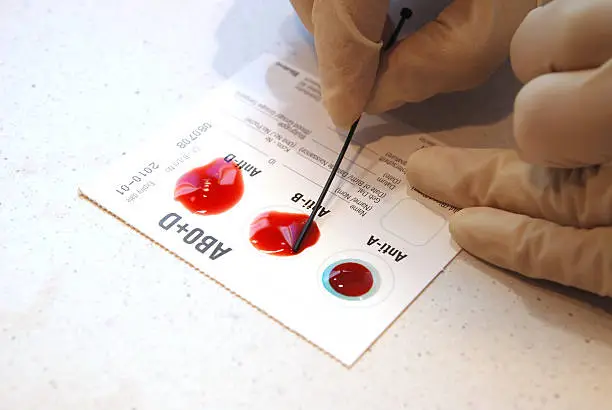
Blood type is inherited genetically from your parents. A simple test using antigens and antibodies can determine your blood group in under 10 minutes at clinics or hospitals.
Why Should You Know Your Blood Type?
For emergency transfusions
Pregnancy planning (Rh incompatibility risk)
Donating blood
Travel to high-risk zones (some regions prefer O-negative donors)
Bonus: Interesting Facts About Blood Types
AB+ can receive blood from any type (universal recipient).
O- can donate to anyone, but can only receive O-.
Some diets falsely claim blood type affects weight loss – there’s no medical proof.
FAQ
Q1: Which blood type is safest to donate?
A: O-negative – it’s compatible with all types.
Q2: Can your blood type change?
A: Rarely, only due to bone marrow transplant or medical anomaly.
Q3: Which blood type has the lowest cancer risk?
A: Type O shows reduced risk in some studies, but findings vary.
Q4: Is AB negative the rarest blood type?
A: Yes, it occurs in less than 1% of the global population.
Q5: Can I test my blood type at home?
A: Yes, using FDA-approved home test kits or through a certified lab.
Final Thoughts
Knowing your blood type can save lives—possibly your own. While some blood types are common, others are so rare they need special attention. Stay informed, donate when you can, and always carry medical ID if you belong to a rare group.