Why ESR is High in Female: Causes, Symptoms, Treatment, Normal Range & More

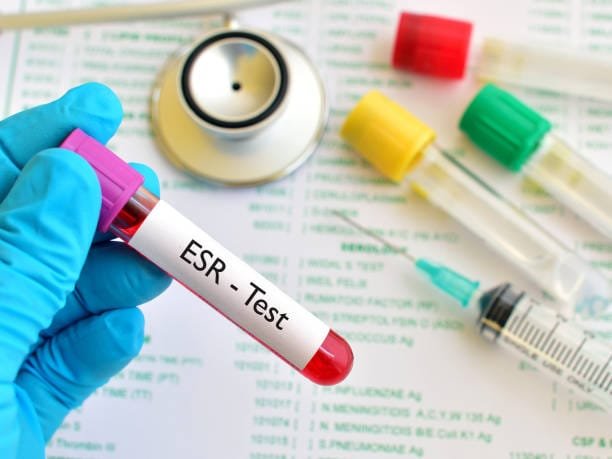
What is ESR?
ESR (Erythrocyte Sedimentation Rate) is a blood test that measures how quickly red blood cells settle at the bottom of a test tube in one hour. A high ESR indicates inflammation in the body — but it doesn’t pinpoint the exact cause.
Why ESR is High in Female?
Women naturally have slightly higher ESR levels than men, but when it’s abnormally high, it could be due to:
Common Causes of High ESR in Females:
-
Menstruation: Temporary inflammation during periods can increase ESR.
-
Pregnancy: ESR naturally rises due to hormonal and blood volume changes.
-
Autoimmune disorders: Like lupus, rheumatoid arthritis.
-
Infections: UTIs, TB, or chronic infections.
-
Anemia: Iron deficiency anemia can falsely raise ESR.
-
Cancer: Especially lymphoma or other malignancies.
-
Thyroid issues: Especially hypothyroidism.
-
Obesity or stress: These can contribute to mild inflammation.
High ESR Symptoms
While ESR itself doesn’t cause symptoms, it reflects underlying issues. If your ESR is high, look for:
High ESR Symptoms in Females & General:
-
Persistent fatigue
-
Unexplained fever
-
Weight loss
-
Joint pain or stiffness
-
Menstrual irregularities
-
Swelling or pain in specific body parts
-
Headaches or vision changes (in severe cases)
Is ESR 70 High?
Yes, an ESR of 70 mm/hr is considered high in both males and females.
Normal ESR Ranges:
| Gender | Age | Normal ESR (mm/hr) |
|---|---|---|
| Female | <50 | 0–20 |
| Female | >50 | 0–30 |
| Male | <50 | 0–15 |
| Male | >50 | 0–20 |
Note: An ESR of 70 or above strongly indicates active inflammation or chronic disease and needs further investigation.
ESR Normal Range in Female
The normal ESR range in females depends on age:
-
Age under 50: 0–20 mm/hr
-
Age over 50: 0–30 mm/hr
-
Pregnant women: May see ESR up to 40–50 mm/hr as a normal variant
High ESR Causes and Treatment
Common Causes:
-
Bacterial or viral infections
-
Autoimmune diseases (RA, SLE)
-
Kidney disease
-
Cancer
-
Chronic inflammation
Treatment:
ESR treatment focuses on underlying cause, not the ESR itself.
Examples:
-
Antibiotics: For bacterial infections
-
Steroids/NSAIDs: For inflammation and autoimmune disorders
-
Iron supplements: If anemia is the cause
-
Lifestyle: Diet, sleep, and stress management
Why ESR is High in Male?
While ESR levels are typically lower in males, it may rise due to:
-
Chronic infections (e.g., TB)
-
Autoimmune conditions (e.g., polymyalgia rheumatica)
-
Inflammatory diseases (e.g., IBD)
-
Cancers
-
Kidney problems
Male ESR Normal Range:
-
Under 50: 0–15 mm/hr
-
Over 50: 0–20 mm/hr
What to Do If Your ESR is High?
-
Don’t panic – ESR is a non-specific test.
-
Discuss with your doctor for further tests like CRP, CBC, or imaging.
-
Track your symptoms.
-
Treat the root cause, not the ESR alone.
-
Follow a healthy lifestyle to manage inflammation.
FAQs
What is ESR full form?
Erythrocyte Sedimentation Rate
Is ESR 70 serious?
Yes, ESR 70 is significantly high and suggests major inflammation or chronic disease.
Can periods increase ESR?
Yes, during menstruation ESR levels may temporarily rise.
How to lower ESR naturally?
Anti-inflammatory foods (turmeric, ginger, omega-3), exercise, stress reduction, and sleep can help.
What diseases cause high ESR?
-
TB
-
Rheumatoid Arthritis
-
Lupus
-
Chronic Kidney Disease
-
Cancers
Can high ESR be cancer?
High ESR can sometimes indicate cancer, especially blood cancers like lymphoma.