How Many Stars Are on the American Flag?

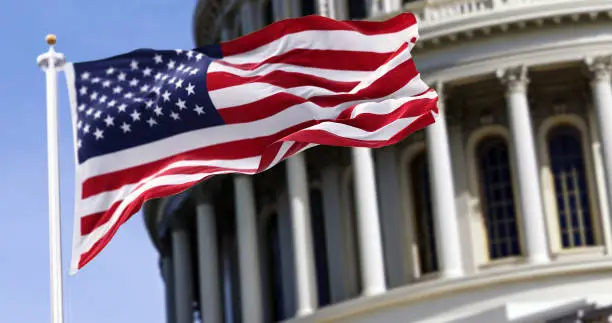
There are 50 stars on the American flag.
Each star represents one of the 50 U.S. states. The stars are white, five-pointed, and are arranged in nine rows of alternating five and six stars, placed on a blue rectangle (known as the canton or the union).
Why Does the American Flag Have 50 Stars?
The American flag has 50 stars to represent the 50 states of the United States of America.
Here’s how it works:
| Star Count | Represents |
|---|---|
| 50 Stars | 50 U.S. States |
| White Color | Purity and innocence |
| Blue Field | Vigilance, perseverance, and justice |
The flag design was last updated in 1960 when Hawaii became the 50th state.
Timeline of Star Additions
| Year | Number of Stars | State Added |
|---|---|---|
| 1777 | 13 Stars | Original 13 Colonies |
| 1795–1959 | Incremental increases | As new states joined |
| 1960 | 50 Stars | Hawaii added |
So if you’re asking: “how many stars are on the American flag in 2025?”
→ The answer is still 50 stars.
FAQ
Q1: How many stars are on the American flag today?
→ 50 stars, each for a U.S. state.
Q2: Why are there 50 stars on the flag?
→ To represent the 50 states of the USA.
Q3: Has the number of stars on the American flag always been 50?
→ No. It started with 13 stars in 1777 and increased as new states joined the union.
Q4: What do the stars on the American flag represent?
→ Each star represents one state in the United States.
Q5: Will more stars ever be added?
→ If a new state is officially admitted into the union, then yes, a 51st star would be added.
Summary
If you’re searching “how many stars are on the American flag”, here’s your final answer:
-
There are 50 stars.
-
Each star represents one U.S. state.
-
The last star (Hawaii) was added in 1960.
-
The layout is 9 rows: alternating 5 and 6 stars.