What Is the Cleanest Country in the World? (2025 Updated List)

What Does “Cleanest Country” Mean?
When people ask “what is the cleanest country in the world”, they often mean more than just clean streets. Cleanliness on a national level includes:
- Air and water quality
- Waste management systems
- Environmental laws
- Public health infrastructure
- Green energy usage
- Clean cities and low pollution
In this blog, we look at countries that rank high across all of these areas.
Top 10 Cleanest Countries in the World (2025)
These rankings are based on the Environmental Performance Index (EPI), air and water cleanliness, recycling efforts, and overall sustainability.
Cleanest Countries in the World – Table
| Rank | Country | Why It’s Clean |
|---|---|---|
| 1 | Switzerland | Excellent air quality, eco-friendly laws, clean energy use |
| 2 | Finland | Clean water sources, forest conservation, low emissions |
| 3 | Sweden | Efficient waste systems, green energy, clean transport |
| 4 | Norway | Strict environmental laws, clean air, electric car use |
| 5 | Denmark | High recycling rate, eco-design cities, wind energy |
| 6 | Iceland | Pure water, almost 100% renewable energy |
| 7 | New Zealand | Protected nature areas, low pollution, clean lifestyle |
| 8 | Austria | Green cities, strong air and water safety laws |
| 9 | Canada | Clean air, well-maintained urban areas |
| 10 | Germany | Strong environmental policies, modern waste systems |
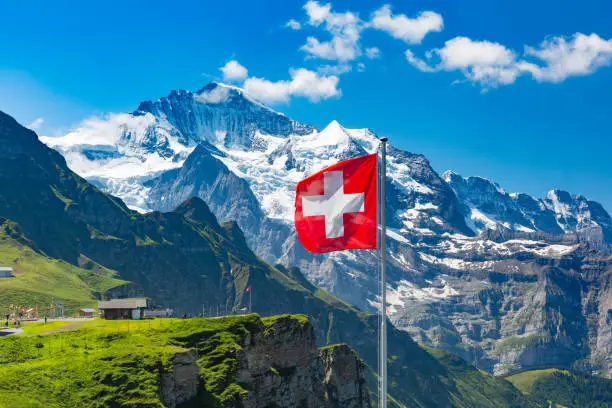
Switzerland ranks #1 in most global environmental reports. Here’s why:
- Top-tier waste recycling systems
- Public transport that reduces emissions
- Strict air and water pollution laws
- Widespread renewable energy use
- Clean public areas and nature reserves
So if you’re wondering, “Which country is the cleanest in the world?”, Switzerland is your answer in 2025.
What Makes a Country Clean?
Here are some things that define a clean country:
- Low levels of air pollution and PM2.5
- Clean tap water and public sanitation
- High recycling and waste disposal efficiency
- Clean public areas, parks, and streets
- Government investment in green energy
Cleanest Country to Live In?
If you’re planning to move abroad, the cleanest countries in this list are also some of the best places to live. Clean air, safe drinking water, and good public health systems make them ideal for families and remote workers.
Final Thoughts
If you’ve been asking:
- What is the cleanest country in the world?
- Where is the cleanest place to live?
- Which country has the best environment and hygiene?
Now you know. Switzerland leads the world, but other countries like Finland, Sweden, and New Zealand are close behind.
Cleanliness is more than beauty—it’s a sign of a country that values health, nature, and the future.
FAQs
Q1: Which country has the cleanest air?
Finland and Iceland rank highest for air purity based on global studies.
Q2: What is the cleanest city in the world?
Zurich in Switzerland and Helsinki in Finland are often top-ranked.
Q3: Is Switzerland really the cleanest country?
Yes. It consistently ranks #1 for environmental performance and low pollution.
Q4: Which Asian country is the cleanest?
Singapore is considered the cleanest country in Asia.
Q5: Do clean countries also have high quality of life?
Yes. Countries like Switzerland, Norway, and Denmark offer both.
Q6: What’s the dirtiest country in the world?
Countries with poor sanitation and high pollution, such as Chad or India (in some cities), rank lower in environmental indexes.
Q7: Which countries are improving their cleanliness?
Vietnam, South Korea, and Costa Rica are seeing rapid eco-friendly growth.
Q8: Are clean countries more expensive to live in?
Often yes, but many offer a better quality of life and health benefits.
Q9: What makes Switzerland so clean?
Strict waste control, environmental laws, and citizen discipline.
Q10: Is there a global cleanliness index?
Yes, the Environmental Performance Index (EPI) ranks countries by 40+ clean metrics.