
Monkeys are among the most fascinating primates in the animal kingdom. They live across Africa, Asia, Central America, and South America. From their intelligence and social behavior to their diverse physical features, monkeys play a key role in both ecosystems and human culture.

Classification of Monkeys
Monkeys are broadly divided into two main groups:
| Category | Region | Examples |
|---|---|---|
| Old World Monkeys | Africa & Asia | Baboons, Macaques, Colobus |
| New World Monkeys | Central & South America | Capuchins, Howler Monkeys, Tamarins |
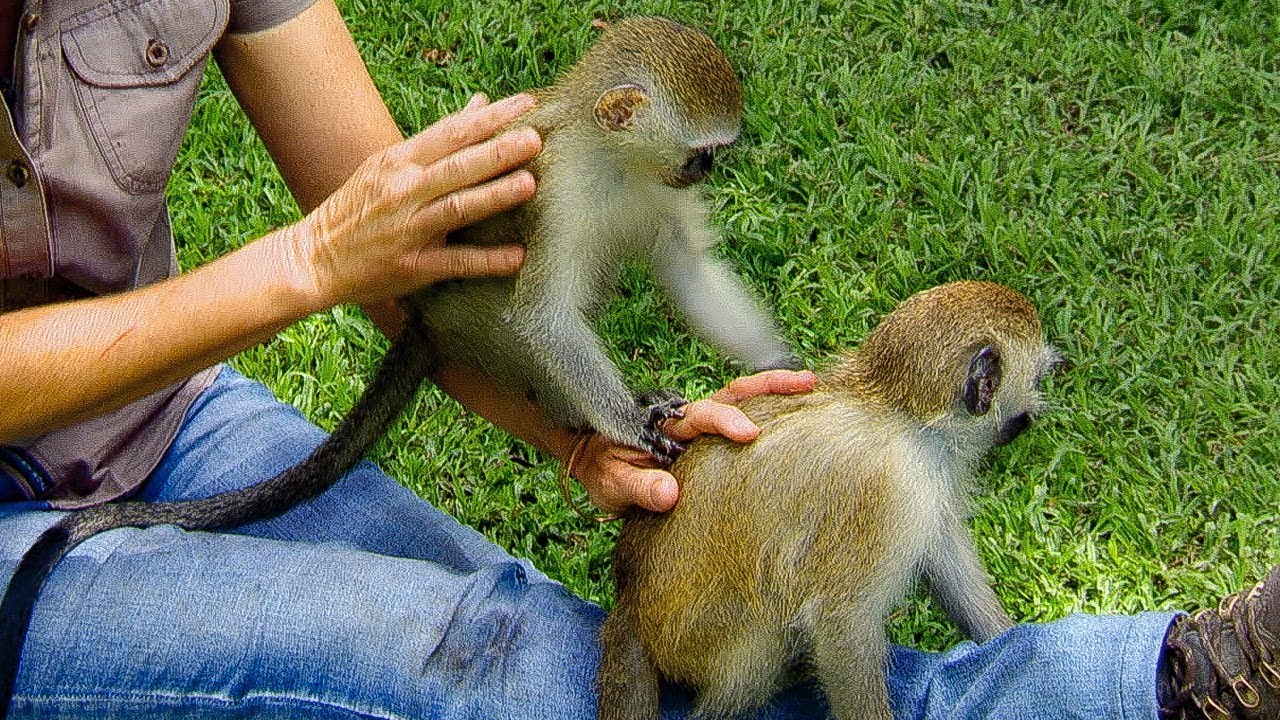
Types of Monkeys: Complete List
Monkeys are divided into two main groups: Old World Monkeys (found in Africa & Asia) and New World Monkeys (found in Central & South America).
Complete List of Monkey Name
| Monkey Name | Monkey Name |
|---|---|
| Baboon | Gelada |
| Mandrill | Drill |
| Rhesus Macaque | Japanese Macaque (Snow Monkey) |
| Barbary Macaque | Celebes Crested Macaque |
| Crab-Eating Macaque | Pig-Tailed Macaque |
| Assam Macaque | Bonnet Macaque |
| Vervet Monkey | Patas Monkey |
| Green Monkey | Blue Monkey |
| Red-Tailed Monkey | L’Hoest’s Monkey |
| Diana Monkey | De Brazza’s Monkey |
| Allen’s Swamp Monkey | Talapoin Monkey |
| Black-and-White Colobus | Red Colobus |
| Olive Colobus | Angolan Colobus |
| Guenon | Sykes Monkey |
| Grivet Monkey | Hamadryas Baboon |
| Proboscis Monkey | Douc Langur |
| Gray Langur (Hanuman Langur) | Purple-Faced Langur |
| Golden Snub-Nosed Monkey | Yunnan Snub-Nosed Monkey |
| Tonkin Snub-Nosed Monkey | François’ Langur |
| Red-Shanked Douc | Silvered Leaf Monkey |
| Spectacled Langur (Dusky Leaf Monkey) | White-Headed Langur |
| Spider Monkey | Woolly Monkey |
| Howler Monkey | Capuchin Monkey |
| Squirrel Monkey | Titi Monkey |
| Marmoset | Tamarins |
| Cotton-Top Tamarin | Emperor Tamarin |
| Golden Lion Tamarin | Pied Tamarin |
| Pygmy Marmoset | Goeldi’s Monkey |
| Night Monkey (Owl Monkey) | Black-Headed Spider Monkey |
| White-Faced Capuchin | Brown Capuchin |
| Tufted Capuchin | Weeper Capuchin |
| Black-Handed Spider Monkey | Red-Faced Spider Monkey |
| Geoffroy’s Spider Monkey | White-Bellied Spider Monkey |
| Brown Woolly Monkey | Colombian Woolly Monkey |
| Yellow-Tailed Woolly Monkey | Peruvian Woolly Monkey |
| Venezuelan Red Howler | Guatemalan Black Howler |
| Mantled Howler | Brown Howler |
| Bolivian Red Howler | Amazon Black Howler |
| Panamanian Night Monkey | Gray-Bellied Night Monkey |
| Black-Headed Night Monkey | Nancy Ma’s Night Monkey |
| Azara’s Night Monkey | Peruvian Night Monkey |
| Pygmy Tarsier (often confused, not a monkey) | Barbary Ape (actually a macaque) |
This table alone lists 70+ monkey types, mixing both Old World and New World species.

Complete List of Monkey Species: 100+ Types with Names and Regions
| Monkey Name | Region | Type |
|---|---|---|
| Capuchin Monkey | Central & South America | New World |
| Howler Monkey | Central & South America | New World |
| Spider Monkey | Central & South America | New World |
| Squirrel Monkey | Central & South America | New World |
| Woolly Monkey | South America | New World |
| Night Monkey (Owl Monkey) | Central & South America | New World |
| Tamarin Monkey | South America | New World |
| Marmoset Monkey | South America | New World |
| Pygmy Marmoset | South America (Amazon) | New World |
| Emperor Tamarin | South America (Amazon) | New World |
| Golden Lion Tamarin | Brazil (Atlantic Forest) | New World |
| Cotton-top Tamarin | Colombia | New World |
| Goeldi’s Monkey | South America | New World |
| Proboscis Monkey | Borneo (Asia) | Old World |
| Colobus Monkey | Africa | Old World |
| Langur Monkey (Gray Langur) | India & South Asia | Old World |
| Douc Langur (Red-shanked) | Southeast Asia | Old World |
| Golden Snub-nosed Monkey | China | Old World |
| Francois’ Langur | China, Vietnam | Old World |
| Vervet Monkey | Africa | Old World |
| Patas Monkey | Africa (Savannahs) | Old World |
| Diana Monkey | West Africa | Old World |
| De Brazza’s Monkey | Central Africa | Old World |
| Blue Monkey | Central & East Africa | Old World |
| Red-tailed Monkey | Africa (Uganda, Kenya) | Old World |
| L’Hoest’s Monkey | Central Africa | Old World |
| Allen’s Swamp Monkey | Congo Basin (Africa) | Old World |
| Mandrill | West Africa | Old World |
| Drill Monkey | Nigeria, Cameroon | Old World |
| Rhesus Macaque | South & East Asia | Old World |
| Japanese Macaque (Snow Monkey) | Japan | Old World |
| Barbary Macaque | North Africa, Gibraltar | Old World |
| Celebes Crested Macaque | Sulawesi (Indonesia) | Old World |
| Pig-tailed Macaque | South & Southeast Asia | Old World |
| Bonnet Macaque | India | Old World |
| Stump-tailed Macaque | South Asia | Old World |
| Lion-tailed Macaque | India (Western Ghats) | Old World |
| Assamese Macaque | South Asia | Old World |
| Crab-eating Macaque (Long-tailed) | Southeast Asia | Old World |
| Gelada Monkey | Ethiopia (Africa) | Old World |
| Guenon Monkey | Africa | Old World |
| Talapoin Monkey | Central Africa | Old World |
| Saki Monkey | South America | New World |
| Uakari Monkey | Amazon Basin | New World |
| Bald Uakari | Amazon (Brazil, Peru) | New World |
| Black-headed Uakari | Amazon | New World |
| Bearded Saki | South America | New World |
| Dusky Leaf Monkey | Southeast Asia | Old World |
| Silvered Leaf Monkey | Southeast Asia | Old World |
| Olive Baboon | Africa (East & Central) | Old World |
| Yellow Baboon | Africa (Savannahs) | Old World |
| Chacma Baboon | Southern Africa | Old World |
| Guinea Baboon | West Africa | Old World |
| Hamadryas Baboon | Horn of Africa, Arabia | Old World |
Old World Monkeys (Africa & Asia)
Old World monkeys belong to the Cercopithecoidea family. They are usually larger, with narrow noses and downward-facing nostrils. Unlike New World monkeys, they do not have prehensile tails.
Examples of Old World Monkeys:
- Baboon – Found in Africa, known for their intelligence and strong social groups.
- Macaque – Famous species include the Japanese snow macaque.
- Mandrill – Colorful face, considered the largest monkey species.
- Colobus Monkey – Black-and-white fur with unique digestive systems.
- Langur – Sacred monkeys in India, long-limbed and agile climbers.
New World Monkeys (Americas)
New World monkeys belong to the Platyrrhini group. They are smaller, with flatter noses and outward-facing nostrils. Many have prehensile tails that can grip branches.
Examples of New World Monkeys:
- Capuchin Monkey – Highly intelligent, often seen in movies.
- Howler Monkey – Famous for their loud calls heard miles away.
- Spider Monkey – Long limbs and prehensile tails for swinging.
- Tamarin – Small monkeys with unique mustache-like fur.
- Squirrel Monkey – Tiny, fast-moving, and social species.
Key Differences Between Old World & New World Monkeys
| Feature | Old World Monkeys | New World Monkeys |
|---|---|---|
| Location | Africa & Asia | Central & South America |
| Tail | Non-prehensile | Prehensile (some species) |
| Nostrils | Downward facing | Sideways facing |
| Size | Generally larger | Smaller |
| Examples | Baboon, Macaque | Capuchin, Spider Monkey |
Fun Facts About Monkeys
- The mandrill is the largest monkey, weighing up to 35 kg (77 lbs).
- Pygmy marmoset is the smallest monkey, only 12–15 cm long.
- Monkeys use facial expressions and vocal sounds for communication.
- Some monkeys, like capuchins, use tools such as stones to crack nuts.
FAQ
1. How many species of monkeys exist in the world?
There are more than 260 species of monkeys, divided into Old World monkeys (Africa & Asia) and New World monkeys (Central & South America).
2. What are the two main types of monkeys?
The two main groups are:
- Old World Monkeys (like Baboons, Macaques, Colobus)
- New World Monkeys (like Capuchins, Howler Monkeys, Spider Monkeys)
3. Which is the smartest monkey?
The Capuchin monkey is considered one of the smartest because it can use tools, solve problems, and even learn simple tasks.
4. Which monkey is the loudest?
The Howler monkey is the loudest, with calls that can be heard up to 3 miles (5 km) away in the rainforest.
5. Do all monkeys have tails?
Not all monkeys have tails. Most New World monkeys have long, prehensile tails, while many Old World monkeys have short tails or no tails at all.
6. Which is the largest monkey species?
The Mandrill is the largest monkey, weighing up to 77 pounds (35 kg).
7. Which is the smallest monkey species?
The Pygmy Marmoset is the tiniest monkey, growing only 5–6 inches (12–15 cm) long.
8. What do monkeys usually eat?
Most monkeys are omnivores, eating fruits, leaves, insects, nuts, and sometimes small animals.
9. Can monkeys live as pets?
Monkeys are not recommended as pets because they need special care, social groups, and large habitats. Many countries also ban keeping monkeys as pets.
10. How long do monkeys live?
Lifespan varies by species. Small monkeys live around 15–20 years, while larger ones like Baboons can live up to 40 years in captivity.
Conclusion
Monkeys are diverse, intelligent, and vital to the ecosystems they live in. From the powerful baboon of Africa to the tiny pygmy marmoset of South America, each species plays a unique role.
Understanding the types of monkeys, their differences, and their habitats not only clears confusion but also helps us appreciate these amazing primates.


